Advice Swap: How a Rising Leader at Smucker Learned Manufacturing Is Her Jam
Key Highlights
- Building strong relationships with colleagues across teams and generations creates a culture of inclusivity and belonging.
- Workplaces that encourage learning and mutual respect foster effective collaboration.
- Leaders can promote manufacturing careers through community engagement and showcasing the fast-paced, dynamic work environment.
Advice Swap is IndustryWeek's series where new manufacturing talent and seasoned professionals exchange advice on career growth, workplace culture and leadership styles. The goal is to facilitate cohesive working environments among generations.
For this series, we're interviewing:
- New manufacturing workers with feedback to share on what they desire from their workplaces.
- Experienced manufacturing leaders with insight on building successful careers in the field.
If you fit the description and are interested in being a part of it, we’d love to hear from you! Contact Senior Staff Writer Anna Smith at [email protected]
Amanda Rider was introduced to The J.M. Smucker Company at a job fair while working toward her chemical engineering degree from The Ohio State University. Her first internship rotation, in research and development process engineering, is what she thought she wanted to do after college, but her next rotation in manufacturing the following summer changed her plans. Being on the cutting edge of new products and seeing products on the store shelf that she had a hand in producing excited her, so she didn’t go back to R&D.
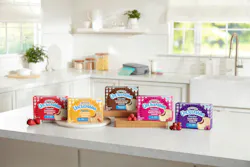
Next, Rider completed engineering internships for J.M. Smucker brands Crisco (which has since been sold to B&G Foods) and Jif. Then, after she graduated from college in 2021, she began work as a process engineer at Smucker’s new manufacturing plant in Longmont, Colorado, which produces the company’s Uncrustables sandwiches.
Today, Rider is an area leader at the same facility, supervising about 50 technicians, many of them older than she is, making cross-generational collaboration a key aspect of her everyday work.
As a relatively new member of the manufacturing field, Rider talked with IndustryWeek about ways that leaders can better recruit and integrate the new generation of industrial talent.
Make Manufacturing Visible
Prioritize educating young people about the opportunities and career paths manufacturing has to offer, Rider advises. Getting plugged into your community, whether it’s through job fairs, college clubs, vocational programs or other means, will create recruitment paths.
In addition, promote manufacturing’s exciting work environment, which she’s experienced first-hand.
“Something that really drew me to being in manufacturing is that it’s a really fast-paced environment; things are changing all the time,” says Rider. “Something could break. You never know what’s going to happen on a day, and so that kind of just keeps it exciting.
“Also, the fact that it’s not a desk job … I can just go walk around the floor, maybe I’ll help with some troubleshooting or just go talk to people on the floor. I really enjoy that.”
Create a Culture Where Learning Goes Both Ways
“Something that really stood out for me [at Smucker] is being able to be in an environment where questions are encouraged and everyone’s opinions are valued,” Rider says.
“For example, something that I found when I first started was, I didn’t know a lot about how the equipment worked. So, what I would do is, I would just shadow some of the mechanics,” she says. “Because they were willing to be like, ‘Yeah, of course, for sure you can hang around, and I’ll answer all your questions.’ That really helped us connect and build those relationships early on.
“And now that I’m five years into my career, I still have those relationships, and we can have meaningful conversations where both of us will listen to each other’s opinions and work together.”
Accept Mistakes as Part of Learning
Seeing leaders acknowledge that mistakes are inevitable encourages newer employees to seek out opportunities to learn and grow, Rider adds.
“I made a lot of mistakes when I first started, but I’m human, right? That’s going to happen. So, acknowledging that and being willing to help teach people who are making mistakes, essentially newcomers, is also really important to making sure we’re all successful.”
Encourage Fresh Perspectives
“Some plants … have people who have worked there their entire careers. They’ve been around the block; they know how things are done. And so sometimes it can be difficult to step into that as a newcomer and a young professional,” she says. “Recognizing that new perspectives are valued, I think, is important.
“There’s an element sometimes of, ‘This is how it’s always been, so we can’t change anything,’ but that’s not necessarily true,” she says. “I’d never worked in a manufacturing setting before starting, and so I had some opportunities to learn, but I also [brought] new perspectives.”
Stronger Relationships = Stronger Teams
When Rider was starting out, a coworker took the initiative to schedule an event that pulled her out of her comfort zone, bringing her and her colleagues closer.
“We have this one person who, he really likes to hike, and he just invited everyone on this big hike. It’s called a fourteener. It’s this big 14,000-foot mountain,” she says. “I was very intimidated starting out and never done it before. But he invited all of the team, and it was everyone, all different generations of people who attended and went on this hike, and that was something that I think, really early on, helped in building those relationships right off the bat.”
Building those personal connections helps create cross-generational understanding that can translate to work projects.
“Even if we’re in different places in our lives, we can still connect over things outside of work,” she says. “Maybe I’m talking about what me and my husband are doing on the weekend, but they’re talking about their kid’s soccer game. Maybe it’s a little different, but still, we can connect over that.”
ERGs Help New Hires Connect
Participating in employee resource groups (ERGs) at Smucker has helped Rider connect with colleagues she may not normally work with, giving her a better understanding of the larger organization and how her career has the potential to grow.
“Something that I know I was really looking for when I was looking for a full-time job was a company that had employee resource groups,” she says. “Or at least if they didn’t have ERGs, maybe they were demonstrating the values that come along with that, like being inclusive, everyone belonging.
“Something that is important for me is being able to see people similar to myself in higher-up roles … A lot of our senior leaders at our plant are women. And that’s something that excites me, encourages me to keep going,” she says. “Finding people who are people I can relate to, but have also been around for a while, helps me navigate what future opportunities look like.”
About the Author
 Anna Smith
Anna Smith
Senior Staff Writer
Senior Staff Writer
LinkedIn: https://www.linkedin.com/in/anna-m-smith/
Bio: Anna Smith joined IndustryWeek in 2021. She handles breaking news of interest to the manufacturing industry and the cross-publication newsletter Quick Manufacturing News. Anna was previously an editorial assistant at New Equipment Digest, Material Handling & Logistics and other publications.