Technology Is Changing the Meaning of Workplace Safety
Every year, we recognize World Day for Safety and Health at Work, taking time to reflect on what matters most: the safety, well-being and protection of employees around the world.
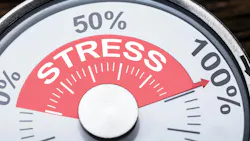
This year, the International Labour Organization, an agency of the United Nations dedicated to promoting labor rights and fair working conditions, is focusing specifically on healthy psychosocial working environments, the overall experience employees have on the job and the way it impacts their health and well-being.
This theme is relevant to what leaders across the manufacturing industry strive to create: a work environment where employees feel safe and supported, are enabled to do their best work and are more likely to commit to their employers long term.
The modernization and digitization of manufacturing is changing the way employees work on the plant floor. While digitization can significantly reduce workplace safety incidents and improve efficiency, a 2025 manufacturing-sector study from the National Library of Medicine database reported that rapid technological change without sufficient support can create “technostress,” contributing to burnout and reduced employee well‑being.
With the addition of these modernized processes, employee responsibilities may evolve to include data monitoring and more advanced systems and workflows.
Employers must support their teams through manufacturing’s digital evolution. Here are three key practices to prevent burnout and enable employees to feel engaged, supported and most importantly, safe at work:
A Strong Culture of Safety
Creating a safe workplace starts with embedding safety into company culture. This means moving beyond policies and procedures, making safety a core company value that is at the foundation of everyday decisions.
When employees see leadership consistently prioritizing safety over output, it signals that their wellbeing truly matters. In practice, this might look like a leader pausing a high-pressure initiative after employees raise concerns about capacity or risk. By choosing to listen, support and adjust, leaders reinforce that safety is non-negotiable, even when business demands are high.
In manufacturing environments especially, where the pace can be quick and risks are inherent, a commitment to a culture of safety is essential. Organizations that integrate safety into their values and consistently show commitment to improving the health and safety of their people, in both their metrics and their messaging, empower employees to speak up, report concerns without fear of repercussions and engage more fully at work. A strong safety culture helps leadership manage through change in a way that supports the overall well-being of their people.
Manager Engagement
Managers play a critical role in translating those company values into daily experiences. Engaged leaders who regularly connect with their teams will better understand workload pressures and will likely be able to identify early signs of stress or burnout and adjust accordingly. Some of these early signs can look like consistent fatigue, physical symptoms of stress, such as headaches or muscle aches, or reduced engagement in team discussions.
As new systems are introduced and roles evolve, employees will need not only the appropriate training, but support through change from their managers, who are on the frontlines of psychosocial safety.
By setting clear priorities, managing realistic workloads and creating space for conversation and feedback, managers can help reduce uncertainty and stress in fast-paced work environments. When they listen, respond to concerns and advocate for their teams, they reinforce a culture where employees feel valued, supported and confident that their well-being is protected.
A Holistic Approach to Employee Wellness
Comprehensive wellness programs reinforce a company’s commitment to employee well-being by addressing the whole person. While traditional safety programs focus primarily on injury prevention, modern wellness initiatives recognize the importance of mental health and a healthy work routine.
These programs may include access to mental health resources, stress management tools, nutrition and fitness tips and other programs that encourage recovery and rest. At PPG, we have a Global Culture of Health initiative designed to help employees feel healthy, engaged, and supported at work. This initiative includes access to an Employee Assistance Program (EAP), with resources ranging from counseling, emotional well-being programs, and digital and financial well-being support. Our annual Global Safety Week is another opportunity to integrate overall employee wellness. During this high-engagement week, sites participate in activities, games and information sessions around physical and psychosocial health. When wellness initiatives are thoughtfully designed and aligned with operational realities, they can help drive engagement and long-term performance.
Together, the form the foundation of a work environment where employees can thrive, amid the rapid digital transformation of the manufacturing industry.
World Day for Safety and Health at Work is an opportunity for manufacturing leaders to pause and reflect on the physical and psychological safety of our workplaces and to reflect on where we can better support our teams in the year ahead.
About the Author
Lyndee Brassieur
Vice President, Environmental Health and Safety, PPG
Lyndee Brassieur is responsible for PPG's EHS and Product Stewardship organizations, leading global initiatives focusing on advancing employee safety, incident prevention, regulatory compliance, environmental performance and fostering a global culture of health and safety. She works in close partnership with leaders from across the company to define EHS policies, develop corporate strategy around health and safety and implement tools and processes to achieve world-class EHS performance.