Humanoid Robots Aren't the Future of Manufacturing AI
Key Highlights
- Manufacturers should choose technology based on the problems workers need to solve, not on what attracts the most attention.
- Connected systems and machine learning can preserve experienced workers’ knowledge and make training and best practices easier to scale.
- Schneider Electric’s Lexington facility cut manual paperwork by 90% and energy use by 26% while remaining open and growing jobs.
- Public policy can support smaller manufacturers with digital modernization incentives, advanced-technology training and open automation standards.
The technologies that reshaped the factory floor arrived without a single viral video. The barcode scanner, now ubiquitous across most company operations, did not trend online. Neither did enterprise software that quietly replaced paper ledgers and filing cabinets.
They spread because they were useful, and now, it’s hard to remember how work was done before.
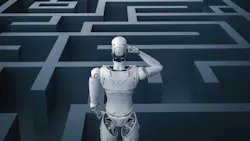
Manufacturing is reaching a similar technological inflection point today. Unfortunately, public attention has focused on the most viral tech: humanoid robots. For some, clips of two-legged robots dancing and lunging at bystanders have become shorthand for physical AI. They generate clicks, headlines and debates about the future of work.
As manufacturers know, social media feeds featuring two-legged robots do not resemble reality within U.S. factories. Technologies like digital twins and predictive maintenance systems are quietly helping manufacturing talent identify and solve complex problems on shop floors across the country.
A Savvier Talent Strategy
Successful manufacturers start with the problem they need to solve before choosing the technology. After all, different jobs require different tools, and the primary goal for the people who produce goods we all rely on is how to ensure businesses and consumers get what they need safely and quickly.
What does that look like in practice? Technicians learning to keep more production lines running efficiently, HR teams trying to train new hires faster, retiring workers needing to pass on years of institutional knowledge and plant managers addressing persistent labor shortages.
That last point is particularly acute. The U.S. faces a manufacturing workforce shortage measured in millions over the next decade. It’s a challenge that isn’t limited to a specific company. Industrial companies increasingly understand, however, that there’s real opportunity to preserve and pass on expertise while freeing workers from repeatable, rote tasks to help fill the widening skilled labor gap.
I’ve seen this firsthand. Across the industry, manufacturers are modernizing longstanding facilities and investing in workforce training. One example is Schneider Electric’s facility in Lexington, Kentucky, where it has fully modernized an over 60-year-old manufacturing plant and equipped workers with the tools and training needed to usher in automation and digitalization innovations across its operations.
The results? Reducing manual paperwork by 90% and energy (GWh) by 26%, along with recognition as an exemplary digital transformation by the World Economic Forum. Throughout the process, the factory remained open and jobs grew alongside the tech. In practice, a technician who once spent much of a shift logging readings, chasing down maintenance histories and filling out forms now spends that time solving challenges the readings point to. Diagnostic work that used to be all anyone had time for became the beginning of the job rather than the end.
Experience can also move more seamlessly between people. When a plant runs on disconnected systems, a veteran technician’s judgment lives largely in their head or in margins of disparate logbooks, and that intuition likely leaves when they exit the workforce. By leveraging machine learning and connected systems, expertise can be catalogued and shared more easily, making it simpler to standardize training and scale best practices.
Time and again, technology adoption proliferates when it's useful. In manufacturing, innovations that connect systems, clarify work, improve safety and speed up timelines are incredibly useful. By deploying automation and AI-enabled technologies available today that cut manual documentation, surface equipment data and facilitate expertise, private sector manufacturers are more likely to ensure businesses and consumers can get what they need safely and quickly.
Helping Smaller Manufacturers
The public sector also has a role to play, particularly for small and medium-sized manufacturers. After all, 90% have less than 100 employees, all of whom could fall behind if they don’t supplement their work with automation innovations. So, rather than focusing on the next viral humanoid robotics breakthrough, policymakers can support manufacturers by helping smaller companies modernize the factories and capabilities they depend on.
That means expanding incentives for digital modernization, aligning workforce training and apprenticeship programs with advanced manufacturing technologies and encouraging open automation standards so smaller manufacturers can avoid being locked into one system and adopt innovations at their own pace.
Texas has already begun moving in this direction through the state’s Task Force On Modernizing Manufacturing, bringing together manufacturers, policymakers and educators to identify practical ways to strengthen American industry. That work should become a model, not an exception.
The manufacturers that will lead the next decade may choose to deploy humanoid robots, but their competitive advantage won’t come from machines that resemble humans. Instead, it will come from empowering their people with technologies that help them learn faster and work smarter. If our partners in the public sector also get the policy right, the U.S. won't just lead the next wave of physical AI innovations; we'll lead the next generation of American manufacturing, too.
About the Author
André Marino
SVP of Industrial Automation North America, Schneider Electric
André Marino is senior vice president, Industrial Automation North America, and a member of the Global Executive Leadership Team at Schneider Electric.
André leads the industrial automation business in the United States, Canada and Mexico, leveraging his over two decades of industrial technology expertise to drive efficiency and productivity for Schneider Electric customers. His passion is driving industrial resilience and agility while reducing the environmental impact of the sector through digital and automation innovation.


